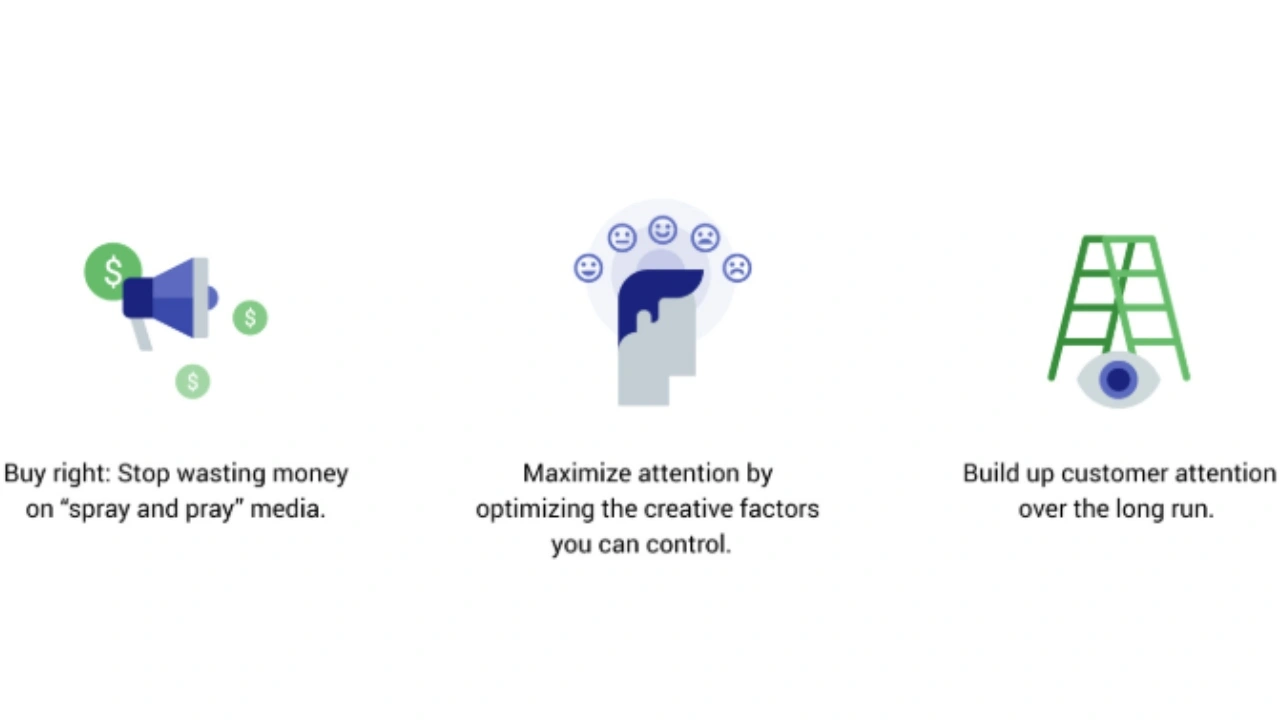
That’s the rhythm of today’s digital world. We live in an attention economy where every brand, creator, and business is competing for a split second of focus. In this environment, what people see often determines whether they stay or disappear forever. Visual identity isn’t decoration anymore; it’s survival.
Your colors, typography, layout, imagery, and overall aesthetic silently communicate who you are before a single word is read. And in a world where people make snap judgments in milliseconds, that silent communication carries enormous weight.
First Impressions Are Now Visual-First
Before users read your copy, explore your product, or listen to your message, they see you. Your website hero section, social media thumbnail, app interface, or even a podcast cover sets expectations instantly. This is why brands invest heavily in cohesive design systems and multimedia assets that feel unmistakably them.
Audio brands, for example, increasingly pair sound with strong visuals to reinforce recognition. Tools like a voice generator AI aren’t just about producing sound they’re part of a broader sensory brand experience where visuals and audio reinforce one another to create familiarity and trust.
The key point? Visual identity doesn’t work alonebut it often opens the door.
What Visual Identity Really Communicates
A strong visual identity sends multiple signals at once:
- Credibility: Clean, consistent design suggests professionalism and reliability.
- Personality: Bold colors may feel energetic, muted palettes may feel refined or calm.
- Positioning: Minimalist visuals often signal premium. Playful visuals suggest accessibility.
- Clarity: Good design reduces friction and makes information easier to absorb.
People don’t consciously analyze these signals but they feel them. And those feelings influence decisions more than logic alone.
The Cost of Visual Inconsistency
Inconsistency is one of the fastest ways to lose attention and trust. When a brand’s website looks polished but its social media feels chaotic when visuals change tone every week it creates friction.
Users start asking subconscious questions:
- Is this brand reliable?
- Do they know who they are?
- Can I trust them with my time or money?
In an attention economy, friction kills momentum. Consistency, on the other hand, builds recognition. Recognition builds comfort. Comfort builds loyalty.
Real-World Example: Why Some Brands Feel “Everywhere”
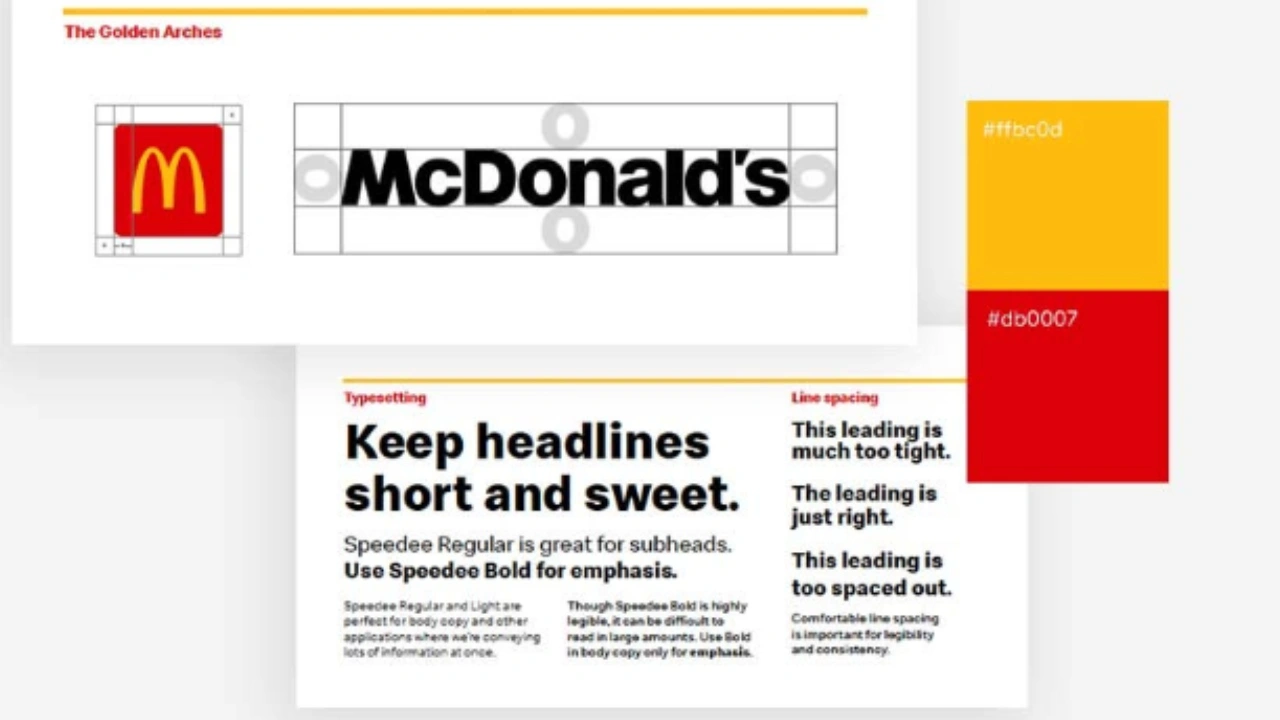
Think about brands you recognize instantly even without seeing their name. It might be a specific shade of color, a layout style, or a recurring visual pattern. That’s not accidental.
These brands win attention because:
- Their visuals are consistent across platforms
- Their design aligns with their values and audience
- Their identity is simple enough to be memorable
They don’t redesign every time trends shift. Instead, they evolve carefully while protecting their core visual DNA.
Visual Identity as a Shortcut to Meaning
Attention is scarce, so shortcuts matter. Visual identity acts as a mental shortcut that helps people quickly understand what you stand for.
For example:
- A fintech startup using muted blues and clean typography signals trust and security
- A creative agency using expressive layouts and bold contrasts signals innovation
- A wellness brand using soft colors and organic shapes signals calm and care
When visuals align with purpose, users don’t need explanations; they get it instantly.
Actionable Tips to Strengthen Your Visual Identity
If you want your brand to stand out in a crowded feed, start here:
1. Define Before You Design
Clarify your brand personality, values, and audience first. Design should express strategy not replace it.
2. Limit Your Visual Ingredients
Too many fonts, colors, or styles dilute recognition. Simplicity improves recall.
3. Design for Scanning
People don’t read, they scan. Use spacing, hierarchy, and contrast to guide the eye quickly.
4. Stay Consistent Across Touchpoints
Your website, social posts, emails, presentations, and ads should feel like they come from the same universe.
5. Think Beyond Aesthetics
Good visual identity supports usability, accessibility, and clarity, not just beauty.
Visual Identity Is an Investment, Not a Cosmetic Upgrade
In an attention economy, visibility without meaning is noise. A strong visual identity gives your brand a recognizable face, a consistent voice, and a lasting impression long after the scroll has passed.
It’s not about being loud. It’s about being clear, intentional, and memorable.
Because when attention is limited, the brands that look like they know who they are are the ones people choose to stay with.
For more informative articles, visit our site daily.